

01 Research Summary
For survival, all organisms, including humans, adjust their internal state, such as physiological and psychological, to adapt to the external world. The adaptation requires mutual communication between the internal state and the outer world. In our laboratory, we will understand how the internal state (e.g. sleep or arousal state)and external world information is processed, integrated for executing appropriate action, such as behavior and emotion in the brain. Currently, we are trying to understand the underlying neural mechanisms for taste or pain perception at the multi-levels (Gene, Cell, Circuit, and Behavior).
| Link |
|---|
02 Major achievements
Miyasaka A, Kanda T, Nonaka N, Terakoshi Y, Cherasse Y, Ishikawa Y, Li Y, Takizawa H, Hirano A, Seita J, Yanagisawa M, Sakurai T, Sakurai K, Liu Q (2025) Sequential transitions of male sexual behaviors driven by dual acetylcholine-dopamine dynamics. Neuron 113(8): 1240-1258. doi: 10.1016/j.neuron.2025.01.032.
Liu C, Lee CY, Asher G, Cao LQ, Terakoshi Y, Cao P, Kobayakawa R, Kobayakawa K, Sakurai K, Liu Q (2021) Posterior subthalamic nucleus (PSTh) mediates innate fear-associated hypothermia in mice. Nat. Commun. 12(1): 2648. doi:10.1038/s41467-021-22914-6
Rodriguez E, Sakurai K, Xu J, Chen Y, Toda K, Zhao S, Han BX, Ryu D, Yin H, Liedtke W, Wang F. “A craniofacial-specific monosynaptic circuit enables heightened affective pain” Nature Neuroscience. 2017, 20(12), 1734-1743.
Sakurai K, Zhao S, Takatoh J, Rodriguez E, Lu J, Leavitt A, Fu M, Han BX, Wang F. “Capturing and manipulating activated neuronal ensembles with CANE delineates a hypothalamic social-fear circuit” Neuron. 2016, 92(4), 739-753.
Sakurai K, Akiyama M, Cai B, Scott A, Han BX, Takatoh J, Sigrist M, Arber S, Wang F. “The organization of submodality-specific touch afferent inputs in the vibrissa column” Cell Reports. 2013, 5(1), 87-98.
03 Education/Academic background and major awards
Education/Academic background
| 2008Mar | Tohoku University, Sendai, Miyagi, Japan Ph.D. in Medical Science |
|---|---|
| 2008Apr-2008Oct | Postdoctoral Fellow at Tohoku University, Sendai, Miyagi, Japan |
| 2008Nov-2013Oct | Postdoctoral Fellow at Duke University, Durham, NC, USA |
| 2013Nov-2017Jun | Research Associate Senior at Duke University, Durham, NC, USA |
| 2017Jul-2023Feb | Assistant Professor, International Institute for Integrative Sleep Medicine, University of Tsukuba, Tsukuba, Ibaraki, Japan |
| 2023Mar-Present | Associate Professor, International Institute for Integrative Sleep Medicine, University of Tsukuba, Tsukuba, Ibaraki, Japan |
Awards
| 2008 | Tohoku University, Graduate School of Medicine, Scholarship award |
|---|---|
| 2013 | Duke University, Department of Neurobiology, Graduate Program Retreat, Best poster presentation award |
Why did you become a scientist?
I just wanted to live abroad. The scientist seems cool. (Now, I don’t think so)
What do you care about at work?
I just want to do something interesting.
What are you most interested in lately?
Nothing.
Core Group
-
Neuroscience
Masashi Yanagisawa
-
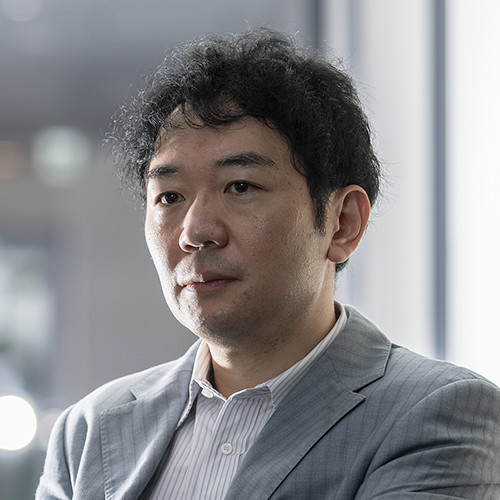
Neuroscience
Takeshi Sakurai
-
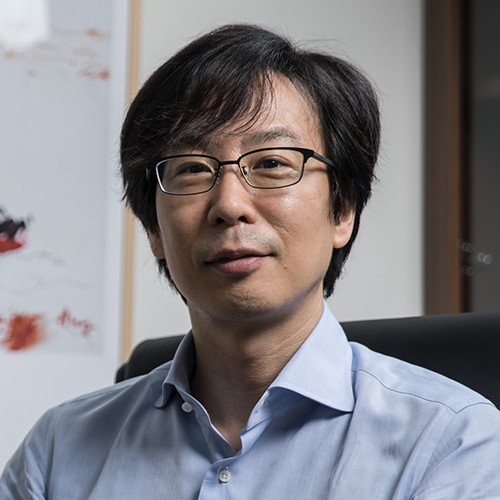
Neuroscience
Hiromasa Funato
-
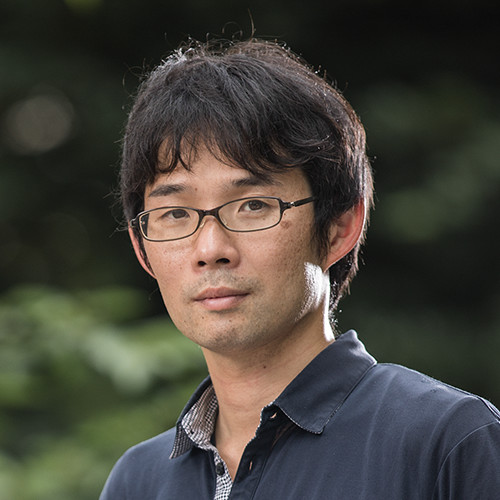
Neuroscience
Yu Hayashi
-
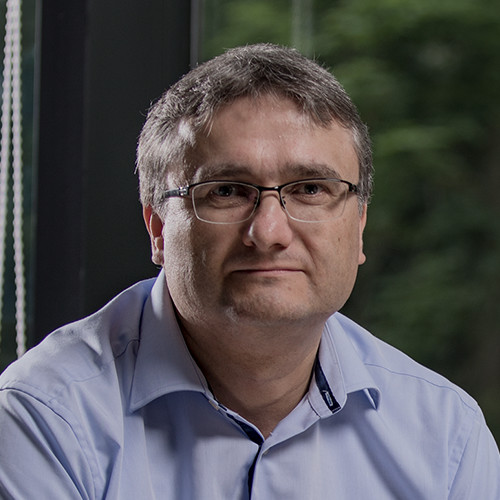
Neuroscience
Michael Lazarus
-
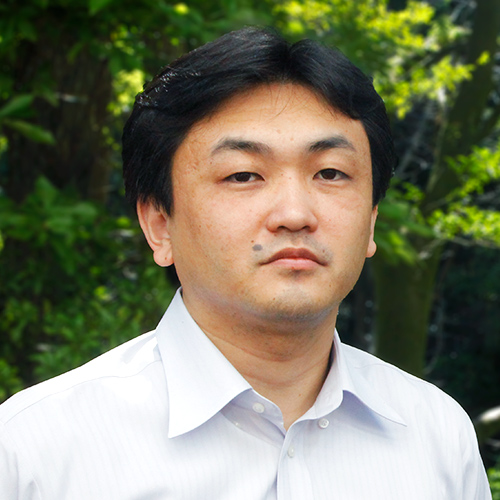
Neuroscience
Yo Oishi
-
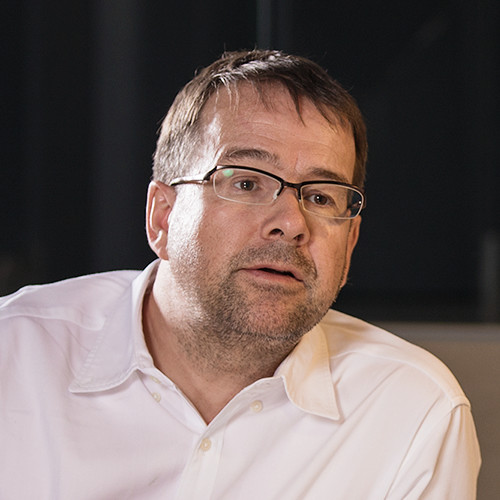
Neuroscience
Kaspar Vogt
-
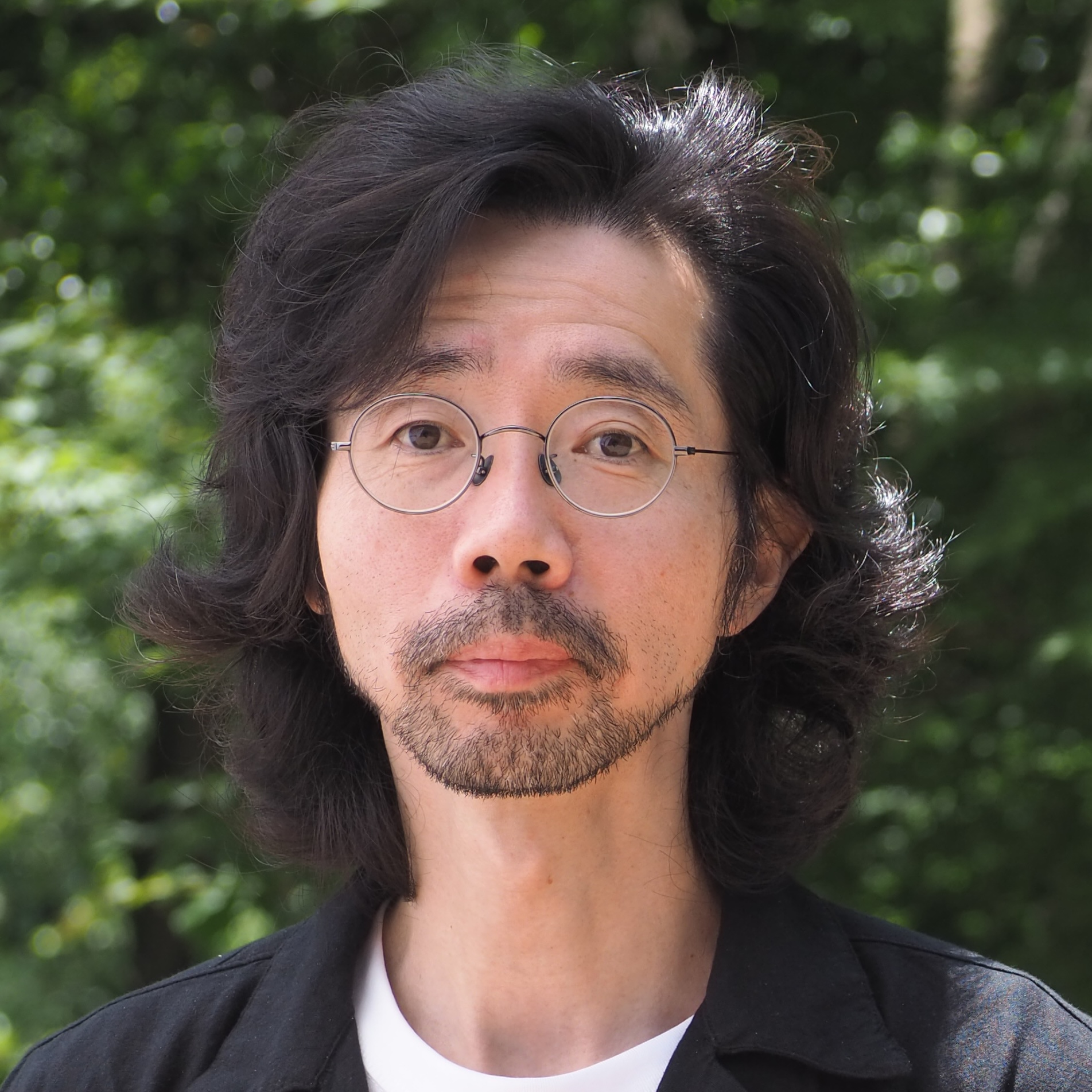
Neuroscience
Katsuyasu Sakurai
-
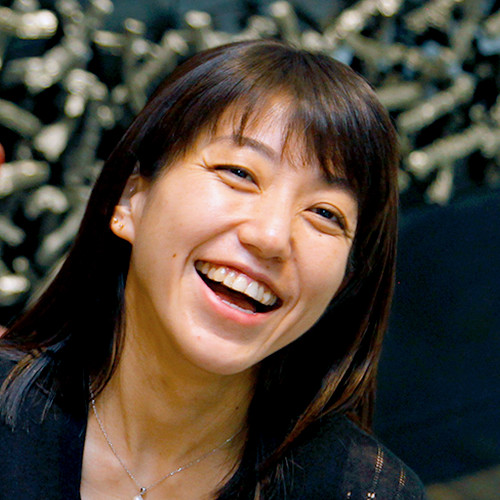
Neuroscience
Sakiko Honjoh
-
Neuroscience
Hirofumi Toda
-
Neuroscience
Arisa Hirano
-
Neuroscience
Shuntaro Izawa
-
Neuroscience
Robert Greene
-
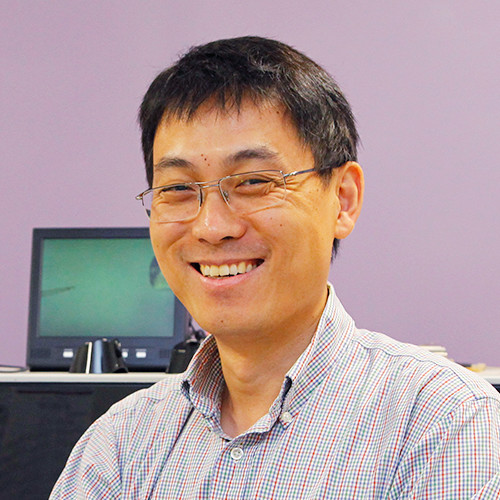
Neuroscience
Qinghua Liu
-
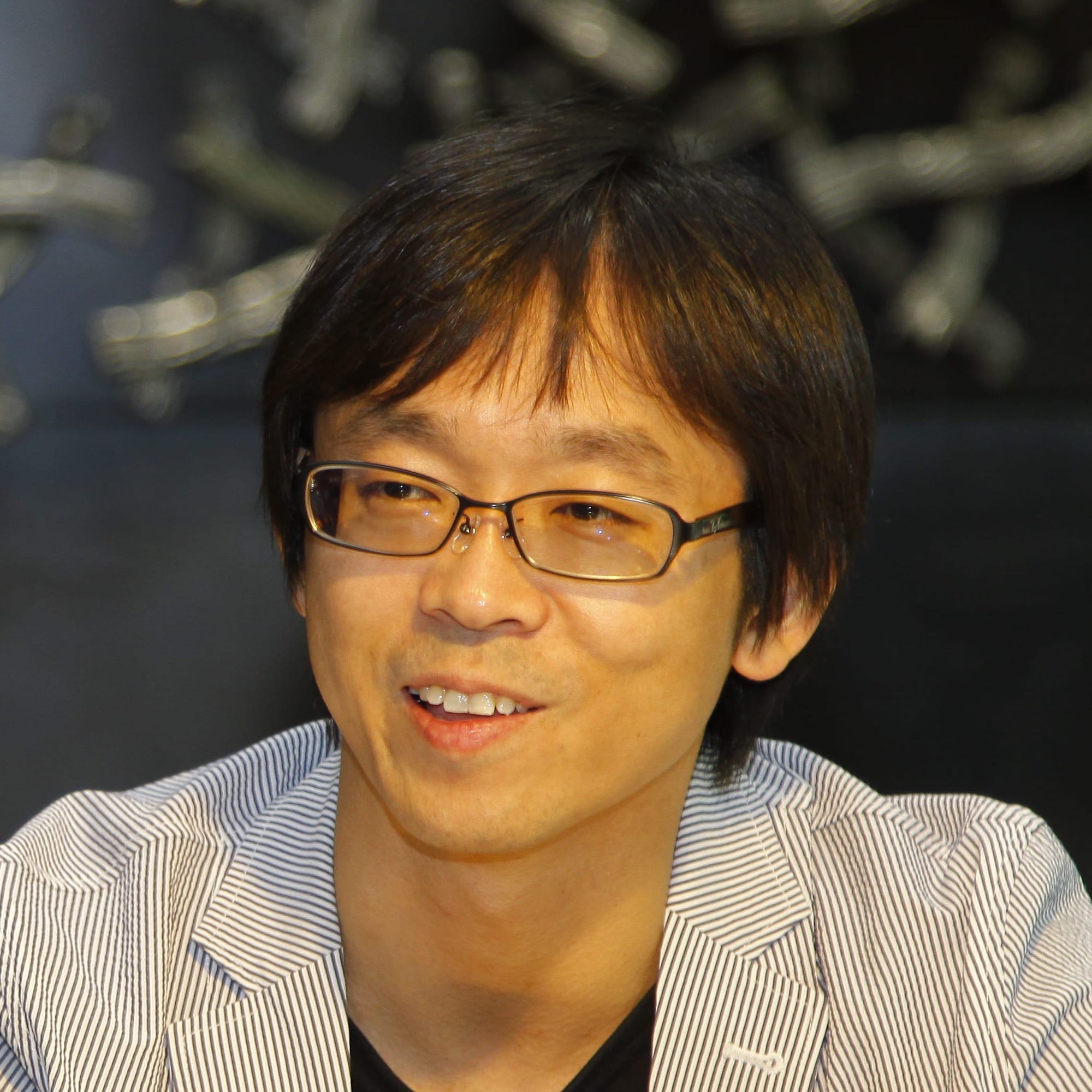
Drug discovery
Noriki Kutsumura
-
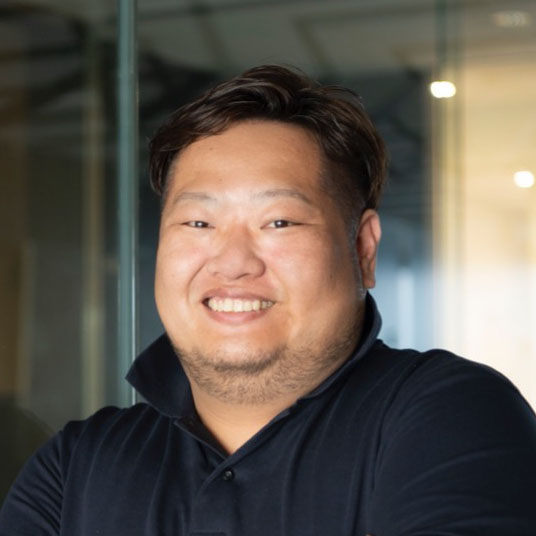
Drug discovery
Tsuyoshi Saitoh
-
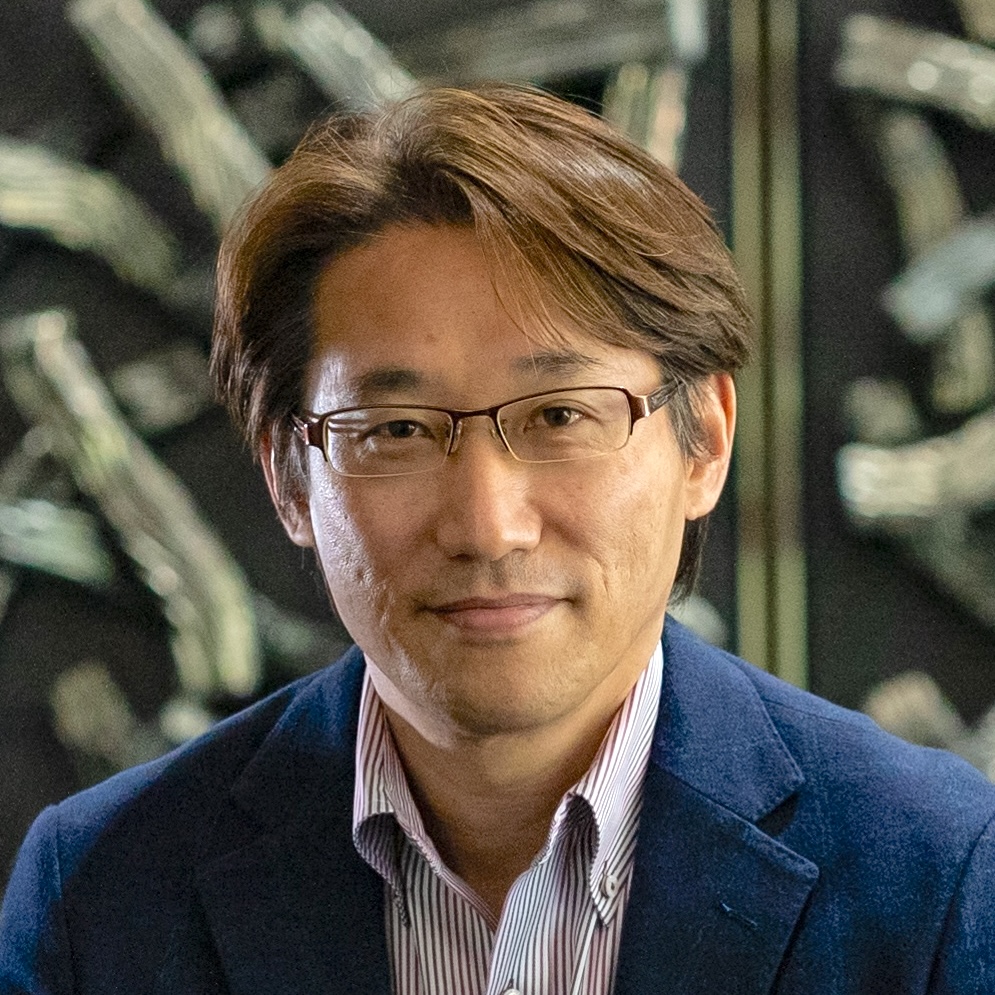
Human sleep
Tomohiro Okura
-
Human sleep
Takashi Kanbayashi
-
Human sleep
Takashi Abe
-
behavioral science
Shun Nakajima
-

Data Science
Shoi Shi
-
Data Science
Yusuke Iino
-
Data Science
Masao Iwagami
-
Data Science
Kazumasa Horie