



01 Research Summary
The discovery of orexin has had a profound impact on society, advancing our understanding of narcolepsy and leading to the development of orexin receptor antagonists for the treatment of insomnia. Neurons in the hypothalamus—a deep brain region—produce not only orexin but also a variety of neuropeptides, including melanin-concentrating hormone (MCH) and nociceptin, and play essential roles in regulating physiological functions such as sleep–wake states and energy metabolism. Recent studies have further revealed that some hypothalamic neurons are modulated by circulating hormones derived from peripheral organs, such as insulin and leptin. In our laboratory, we aim to elucidate how such hormone-mediated endocrine systems regulate sleep and other vital functions at the level of the whole organism, rather than focusing solely on the brain. To achieve this, we integrate cutting-edge neuroscience techniques with careful and systematic behavioral analyses in animal models.
| Link |
|
|---|
02 Major achievements
Izawa S, Fusca D, Jiang H, Heilinger C, Hausen AC, Wunderlich FT, Steuernagel L, Kloppenburg P, Brüning JC. Orexin/hypocretin receptor 2 signaling in MCH neurons regulates REM sleep and insulin sensitivity. Cell Reports, 44(2):115277 (2025) 2
Izawa S, Yoneshiro T, Kondoh K, Nakagiri S, Okamatsu-Ogura Y, Terao A, Minokoshi Y, Yamanaka A, Kimura K. Melanin-concentrating hormone-producing neurons in the hypothalamus regulate brown adipose tissue and thus contribute to energy expenditure. The Journal of Physiology, 600(4):815-827 (2022)
Izawa S, Chowdhury S, Miyazaki T, Mukai Y, Ono D, Inoue R, Ohmura Y, Mizoguchi H, Kimura K, Yoshioka M, Terao A, Kilduff T, Yamanaka A. REM sleep–active MCH neurons are involved in forgetting hippocampus-dependent memories. Science, 365(6459): 1308-1313 (2019)
03 Education/Academic background and major awards
Education/Academic background
| 2016 | Doctor of Veterinary Medicine (D.V.M), Hokkaido University, Japan |
|---|---|
| 2020 | Doctor of Philosophy (Ph.D), Graduate School of Medicine, Nagoya University, Japan |
| 2021 - 2026 | Postdoctoral Fellow, Max Planck Institute for Metabolism Research, Germany |
| 2023 - 2026 | Project Leader, Excellence Cluster for Aging Research (CECAD) /University of Cologne, Germany |
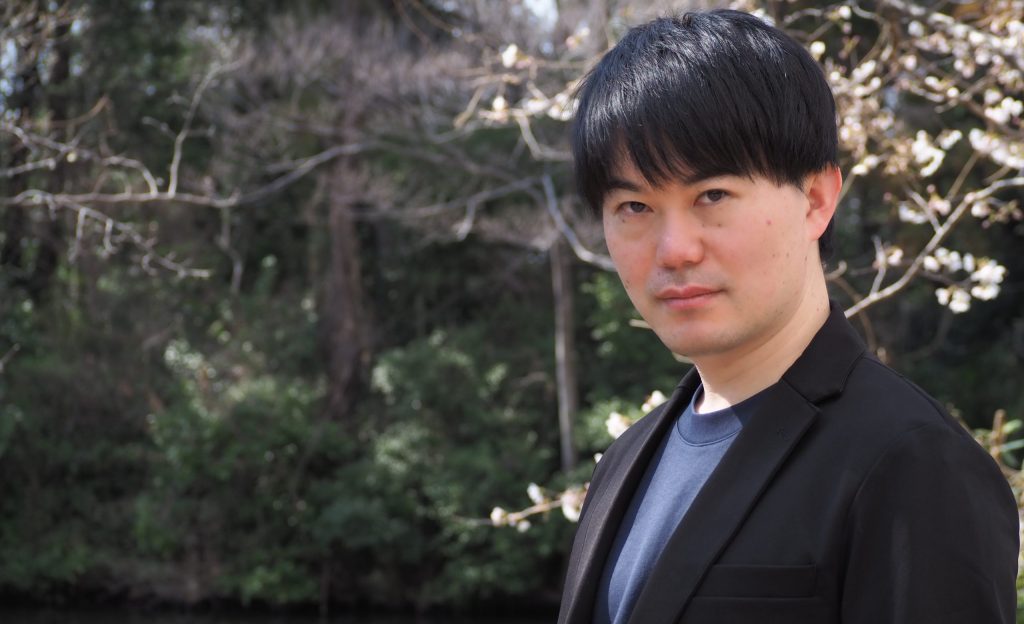
| 2026 - Present | Associate Professor, Faculty of Medicine, University of Tsukuba/ Principal Investigator, International Institute for Integrative Sleep Medicine, University of Tsukuba |
Awards
| 2017 | Young lnvestigator Award, Japan Neuroendocrine Society |
|---|---|
| 2020 | Outstanding graduate student award, Nagoya University |
| 2020 | Toshihiko Tokizane Memorial Award for Excellent Graduate Study in Neuroscience, Japan Neuroscience Society |
| 2021 | Ikushi Prize, Japan Society for the Promotion of Science |
| 2023 | ECAD Career-Promoting Grant Award for Senior Postdoc |

Why did you become a scientist?
Coincidence
While conducting my undergraduate thesis research, I came across some unexpected data that sparked my curiosity and compelled me to investigate it further. This experience caused me to change my career path just before graduating. During my PhD and postdoctoral period, I have continued to encounter new scientific questions that I am driven to solve. I find great joy in advancing each project, and it would be highly fulfilling if my work ultimately contributes to a better understanding of fundamental biological phenomena and to developing treatments for diseases.
What are the characteristics of your lab?
Diversity
I have mainly focused on melanin-concentrating hormone (MCH), extending beyond sleep to areas such as memory and metabolism. As well as investigating the mechanisms of sleep itself, our aim is to understand the interactions between sleep and other vital physiological functions. With a background in veterinary medicine, our studies cover a variety of mammalian species, not limited to mice. If you are interested in interdisciplinary research on sleep and neuroendocrinology, please contact us.
What are you most interested in lately
Kendo
When I was an undergraduate, I was so absorbed in it that I had to repeat a year. I also became deeply involved in it during my time in Germany, and suffered a serious injury - a complete rupture of the Achilles tendon. Going forward, I hope to enjoy it in moderation.
Core Group
-
Neuroscience
Masashi Yanagisawa
-
Neuroscience
Takeshi Sakurai
-
Neuroscience
Hiromasa Funato
-
Neuroscience
Yu Hayashi
-
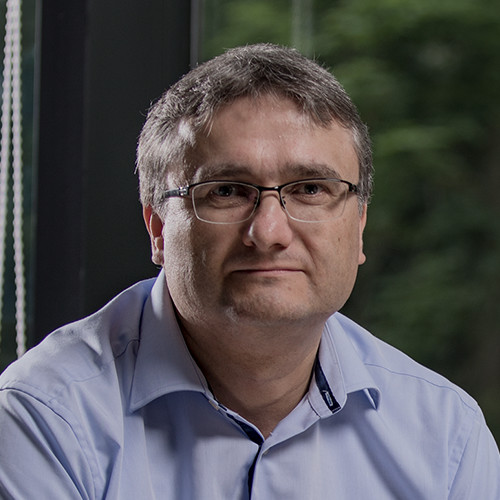
Neuroscience
Michael Lazarus
-
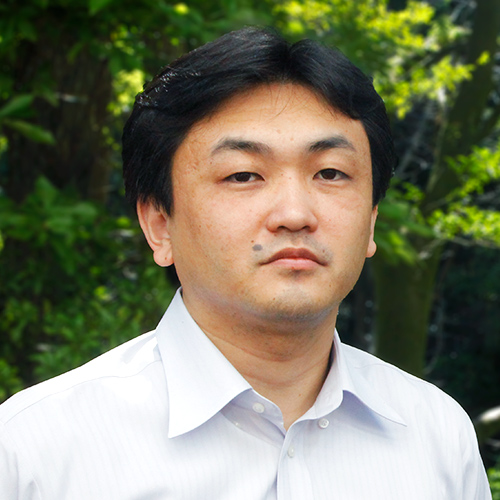
Neuroscience
Yo Oishi
-
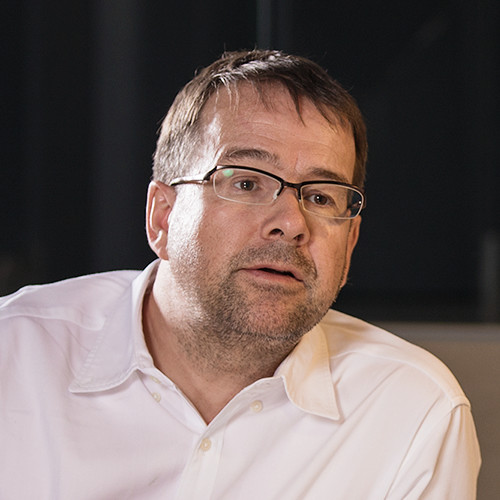
Neuroscience
Kaspar Vogt
-
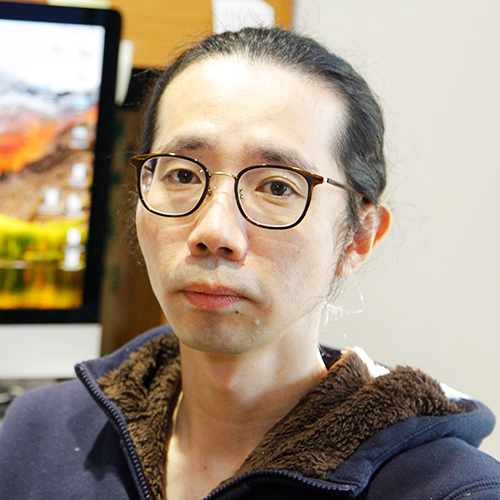
Neuroscience
Katsuyasu Sakurai
-
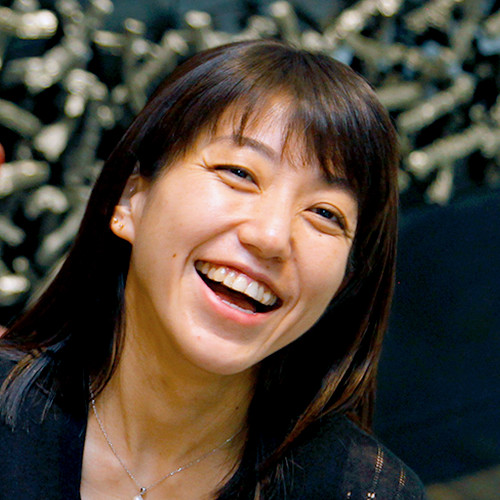
Neuroscience
Sakiko Honjoh
-
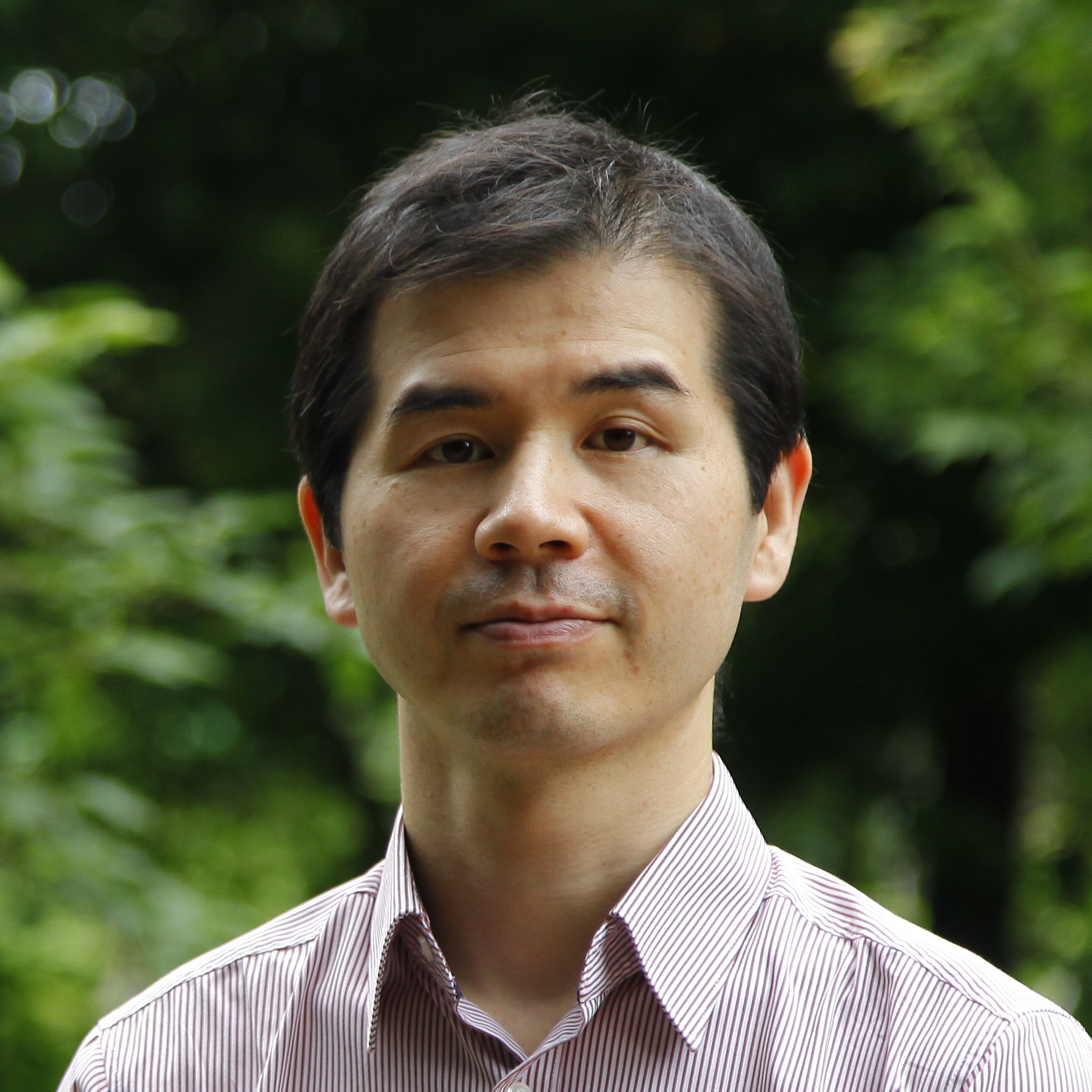
Neuroscience
Hirofumi Toda
-
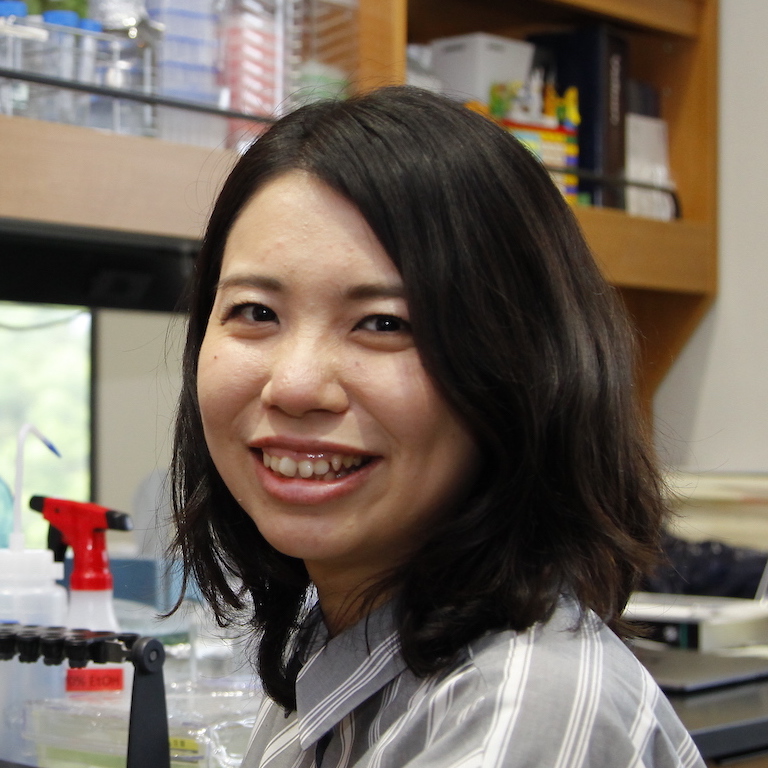
Neuroscience
Arisa Hirano
-
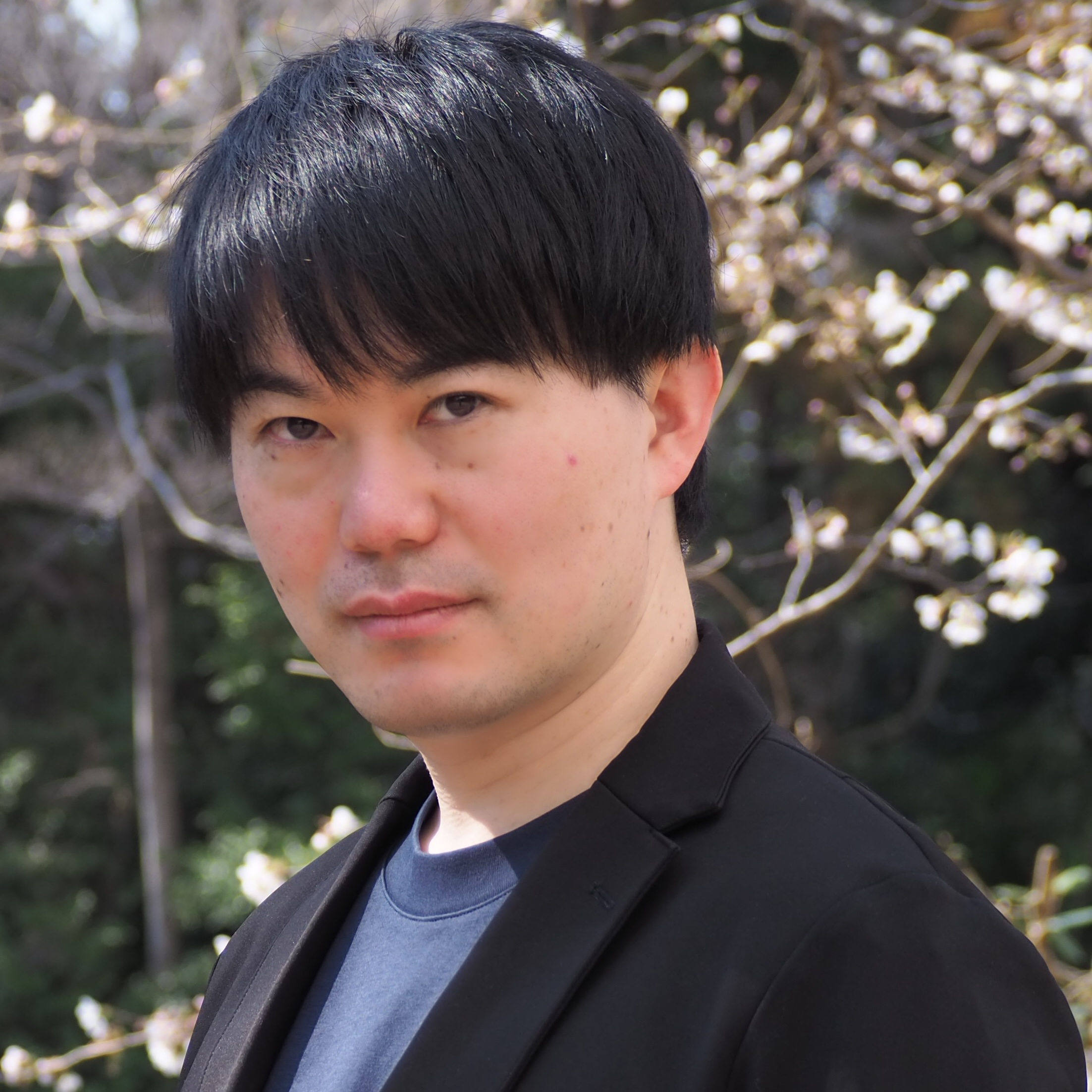
Neuroscience
Shuntaro Izawa
-
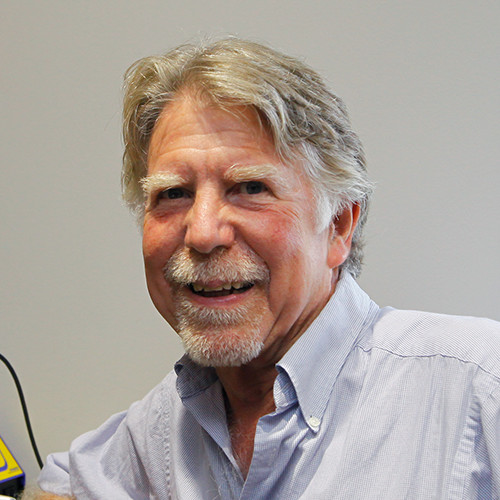
Neuroscience
Robert Greene
-
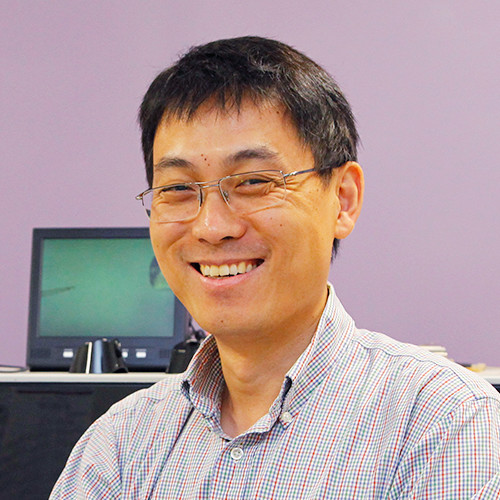
Neuroscience
Qinghua Liu
-
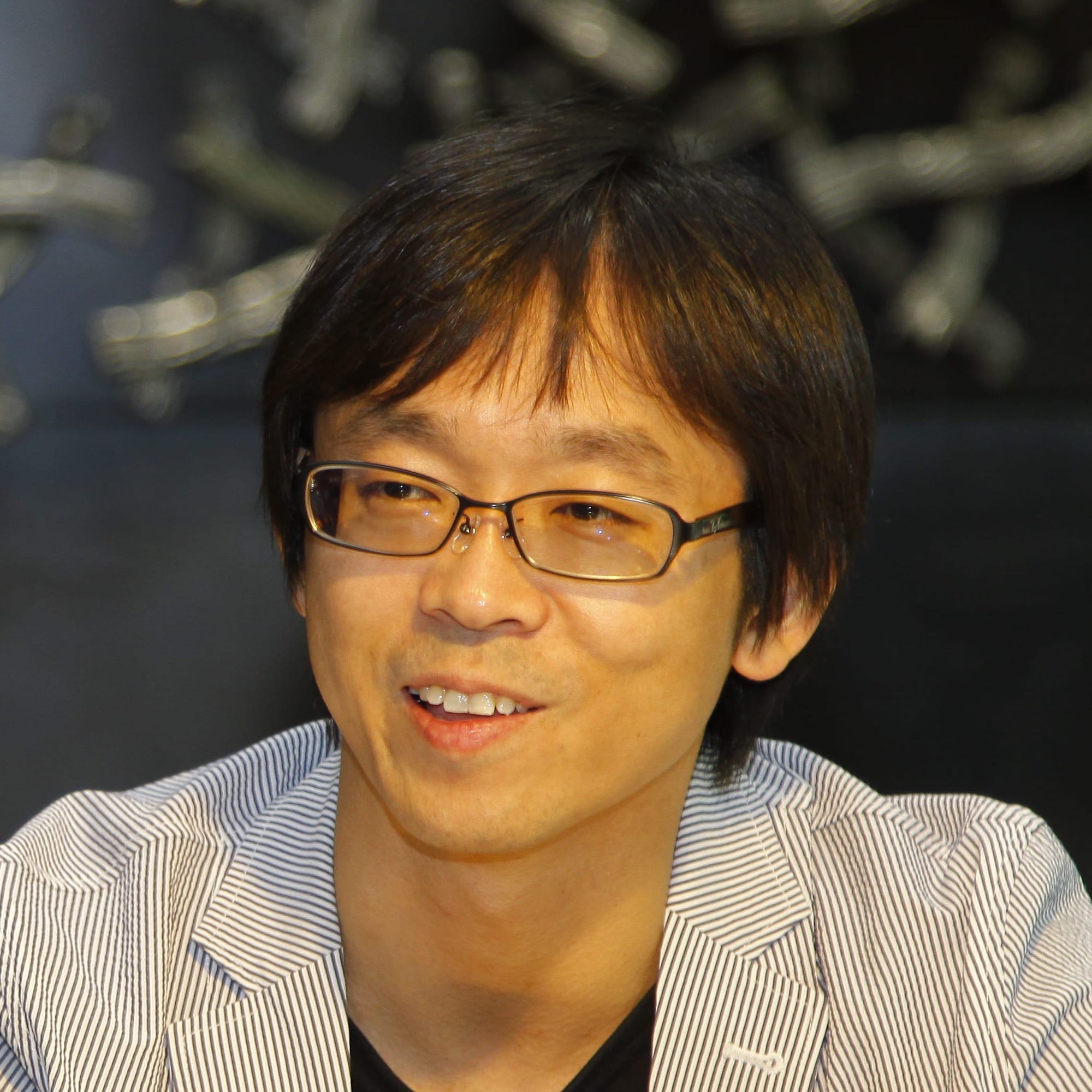
Drug discovery
Noriki Kutsumura
-
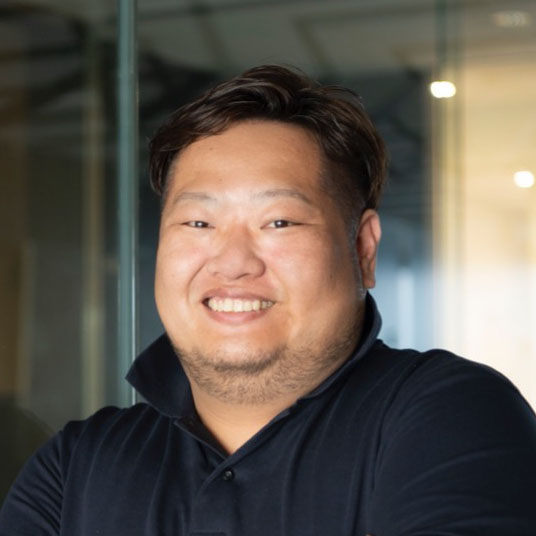
Drug discovery
Tsuyoshi Saitoh
-
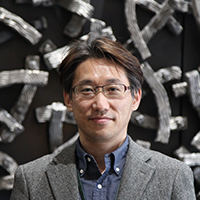
Human sleep
Tomohiro Okura
-
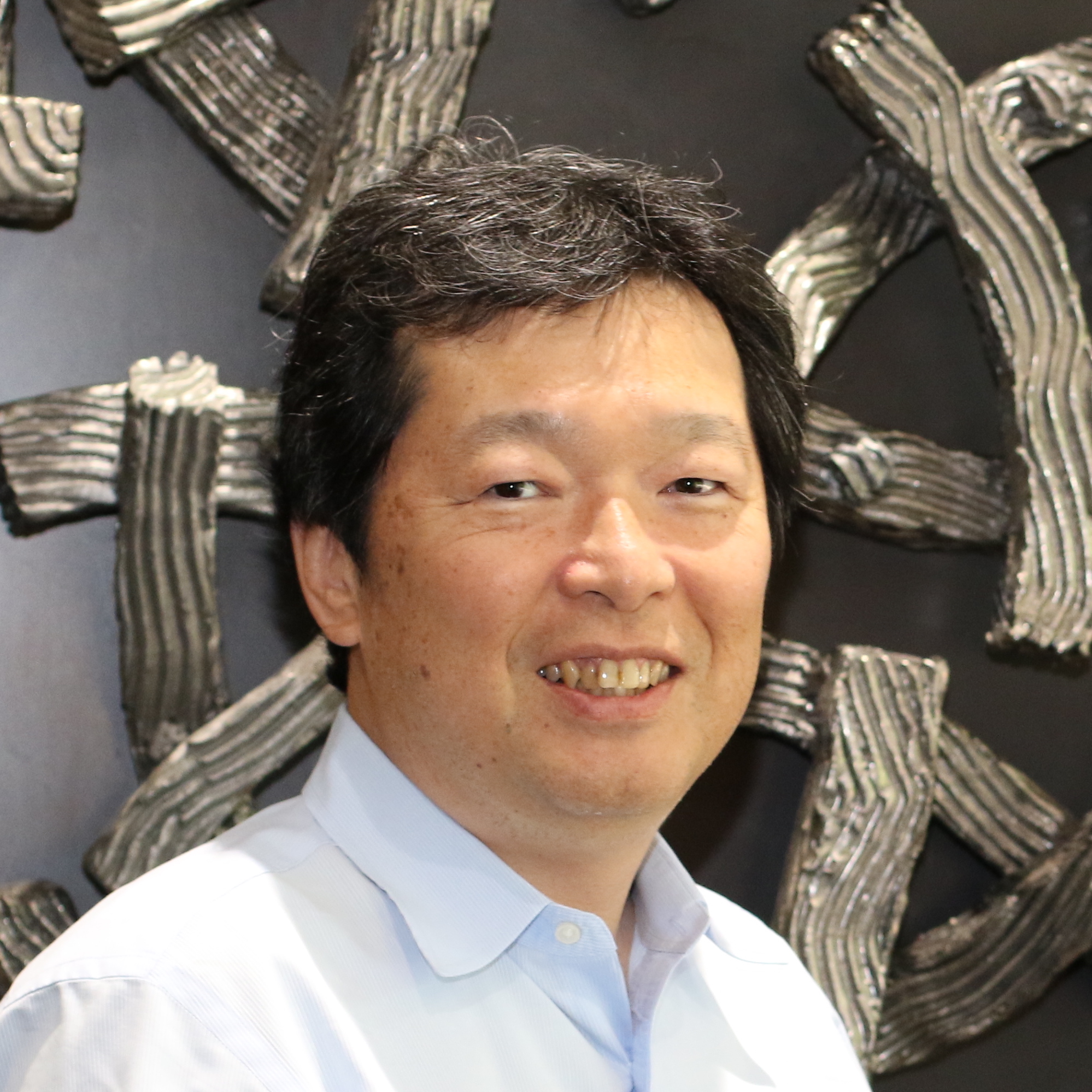
Human sleep
Takashi Kanbayashi
-
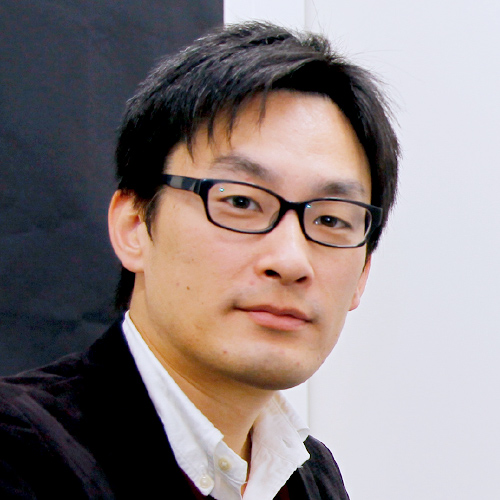
Human sleep
Takashi Abe
-
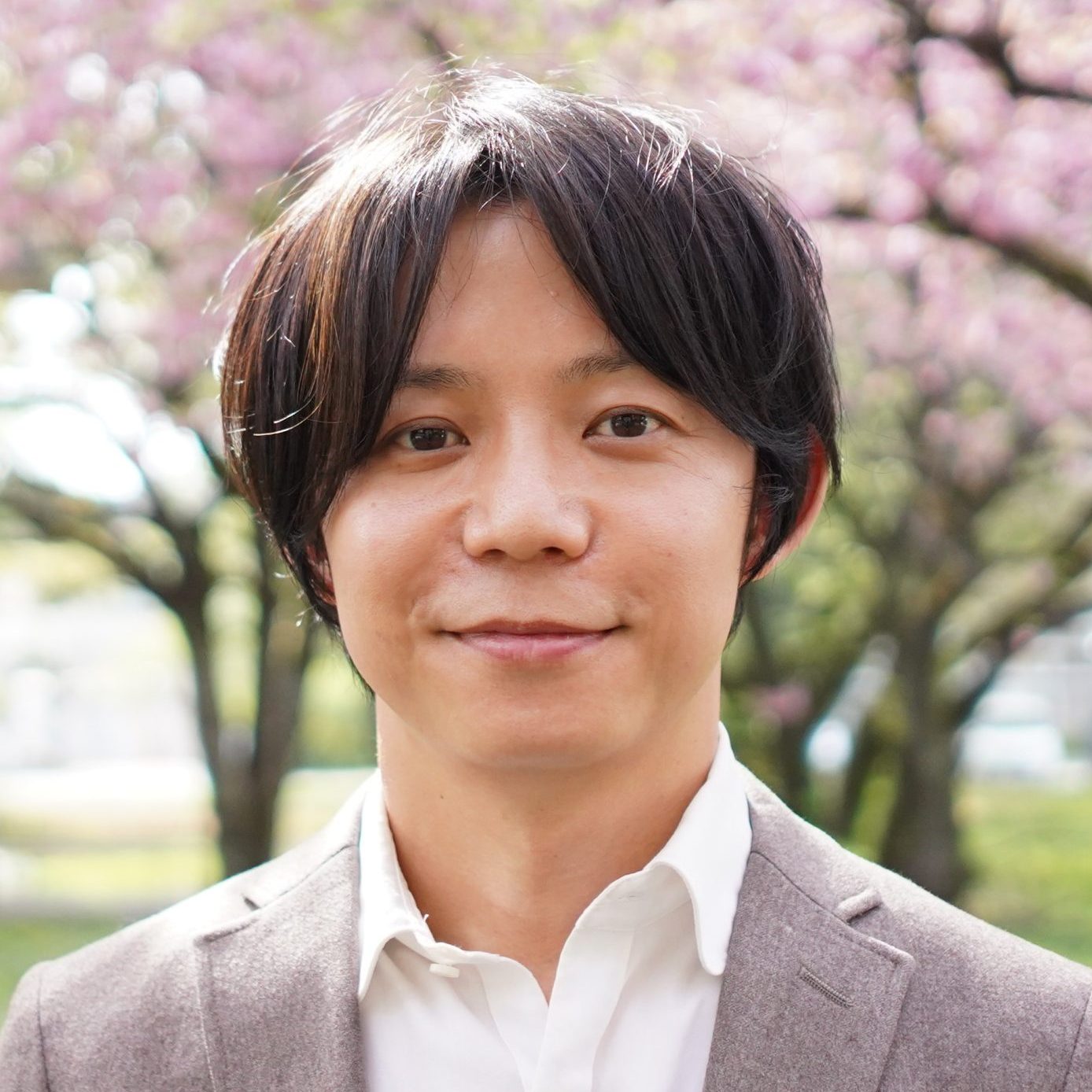
behavioral science
Shun Nakajima
-

Data Science
Shoi Shi
-
Data Science
Masao Iwagami
-
Neuroscience
Kazumasa Horie