




01 Research Summary
My research focuses on the analysis of sleep data to better understand sleep and neurological disorders and to support their assessment. Ultimately, I hope to contribute to a society in which fewer people suffer from sleep-related problems and in which appropriate evaluation and support can be provided more effectively. To this end, I work on developing technologies that help reduce the burden of labor-intensive tasks in sleep medicine and sleep research. Sleep is a fundamental biological process that is closely linked to physical health, cognitive function, and mental well-being. At the same time, abnormalities in sleep are associated with a wide range of disorders and can greatly affect quality of life. However, evaluating sleep often requires specialized expertise and considerable time, which can place a substantial burden on both clinical practice and research. To address these challenges, I apply AI and data science methods to biosignals such as EEG for automated sleep stage scoring, screening of sleep-related and neurological disorders, and extraction of disease-related information from sleep data. From the perspective of computational science, I aim not only to deepen our understanding of sleep but also to translate these advances into practical technologies for clinical and home-based use, thereby contributing to both the progress of sleep research and its broader implementation in society.
| Link |
|
|---|
02 Major achievements
Horie K, Miyamoto R, Ota L, Abe T, Suzuki Y, Kawana F, Kokubo T, Yanagisawa M, Kitagawa H. An ensemble method for improving robustness against the electrode contact problems in automated sleep stage scoring. Sci Rep 14: 21894. 2024. Doi: 10.1038/s41598-024-72612-8
Horie K, Miyamoto R, Ota L, Abe T, Suzuki Y, Kawana F, Kokubo T, Yanagisawa M, Kitagawa H. Automated sleep stage scoring employing a reasoning mechanism and evaluation of its explainability. Sci Rep 12: 12779. 2022. Doi: 10.1038/s41598-022-16334-9
Yamabe M, Horie K, Shiokawa H, Funato H, Yanagisawa M, Kitagawa H. MC-SleepNet: Large-scale Sleep Stage Scoring in Mice by Deep Neural Networks. Sci Rep 9: 15793. 2019. Doi: 10.1038/s41598-019-51269-8.
03 Education/Academic background and major awards
Education/Academic background
| 2012 | B. Eng. from University of Tsukuba |
|---|---|
| 2014 | M. Eng. from University of Tsukuba |
| 2017 | Ph.D. in Engineering from University of Tsukuba |
| 2017 - 2018 | Postdoctoral researcher, University of Tsukuba |
| 2018 - President | Assis. Prof., Center for Computational Sciences, University of Tsukuba |
| 2026 - President | Principal Investigator, International Institute for Integrative Sleep Medicine, University of Tsukuba |
Awards
| 2014 | Student Paper Award, NCSP’14 |
|---|---|
| 2017 | Dean’s Award, Graduate School, University of Tsukuba |
| 2025 | FY2024 Faculty of Systems and Information Engineering Education Contribution Award, University of Tsukuba |
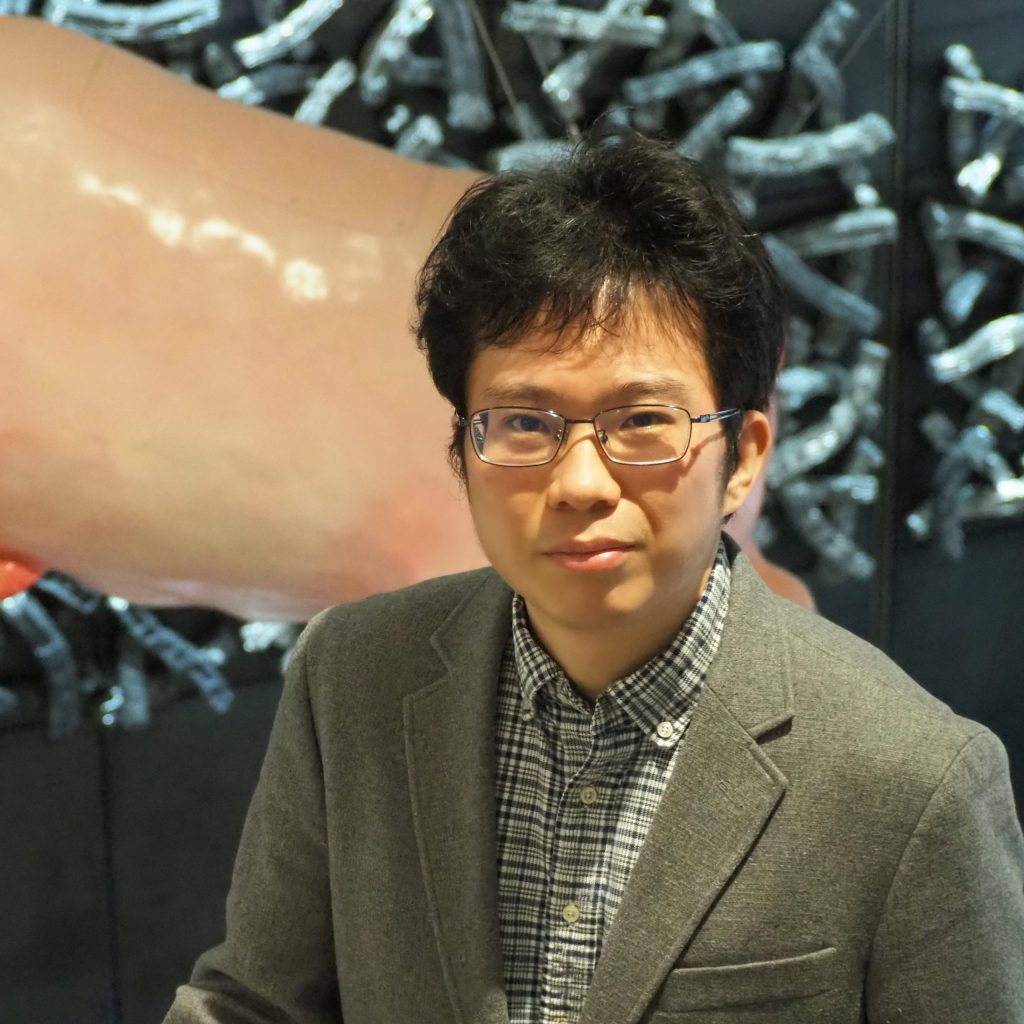
Why did you become a scientist?
A natural path, inspired by Doraemon and The Ghost in the Shell.
It may be more accurate to say that I naturally found my way into this path, rather than that I made a single clear decision to become a scientist. Several members of my family, including my grandfather, uncle, and father, had careers in academia, so research was always a familiar profession to me. I also think that research itself suits the way I naturally like to work: I have always enjoyed thinking about how things work, changing conditions slightly to see what happens, and trying to make sense of complex phenomena. My interest in AI and biosignals was also shaped, in part, by the science fiction I grew up with. My fascination with AI can be traced back to works such as Doraemon, which gave me an early sense of wonder about intelligent machines. Likewise, my interest in biosignals and in understanding the human body and mind through data was influenced by works such as Ghost in the Shell. Looking back, both becoming a scientist and entering this field feel like a very natural progression for me.
What are the characteristics of your lab?
Sleep × Computational Science: Creating practical tech for the field.
One of the strengths of my lab is that we try to bridge sleep medicine and computational science while turning research into technologies that can be used in practice. We analyze sleep data, including biosignals such as EEG, and work on sleep stage scoring, support for the assessment of sleep-related and neurological disorders, and a better understanding of individual differences and disease-related information contained in sleep data. In sleep medicine and sleep research, many tasks still require substantial expertise and time. My lab places strong emphasis on developing technologies that can support these labor-intensive tasks and can ultimately be translated into forms that are useful in clinical settings and home-based monitoring. I believe one of the defining features of the lab is that we aim not only to generate new knowledge, but also to make it usable in society.
What are you most interested in lately
Cooking & recreating restaurant menus.
Lately, I have been very interested in cooking. I started doing it more actively after getting married, and I have found that it shares some of the same appeal as research. Even when making the same dish, I enjoy changing small details in the seasoning or cooking process and seeing how the final result and people’s reactions change. I also like trying to recreate restaurant dishes at home. Recently, I have been experimenting with Komeda Coffee’s grilled chicken hot sandwich, and part of the fun is thinking about how it is actually prepared beyond what the menu name suggests.
Core Group
-
Neuroscience
Masashi Yanagisawa
-
Neuroscience
Takeshi Sakurai
-
Neuroscience
Hiromasa Funato
-
Neuroscience
Yu Hayashi
-
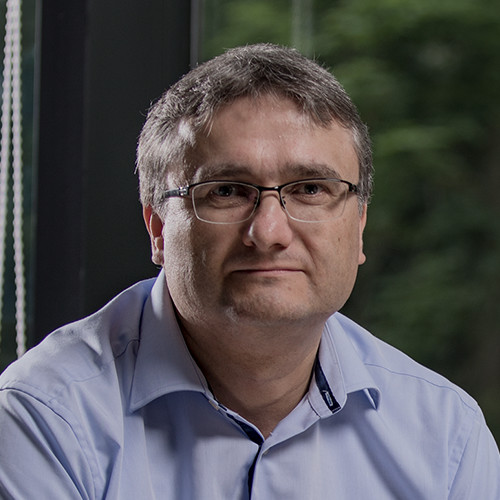
Neuroscience
Michael Lazarus
-
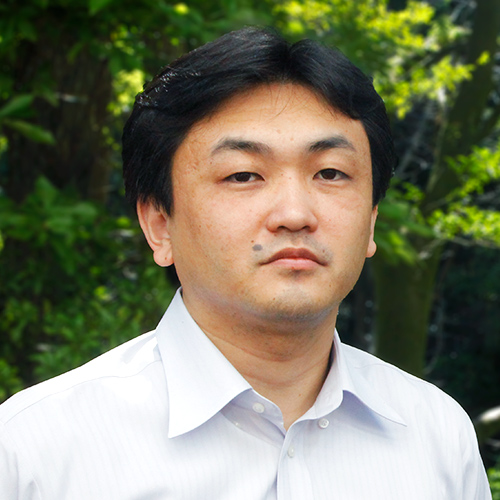
Neuroscience
Yo Oishi
-
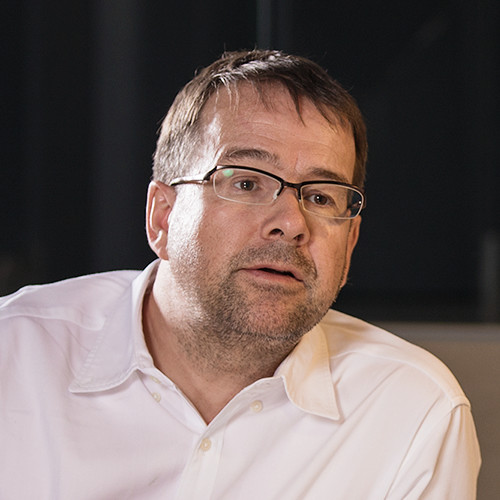
Neuroscience
Kaspar Vogt
-
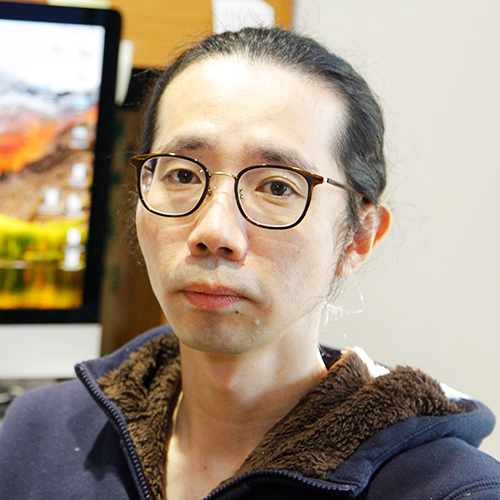
Neuroscience
Katsuyasu Sakurai
-
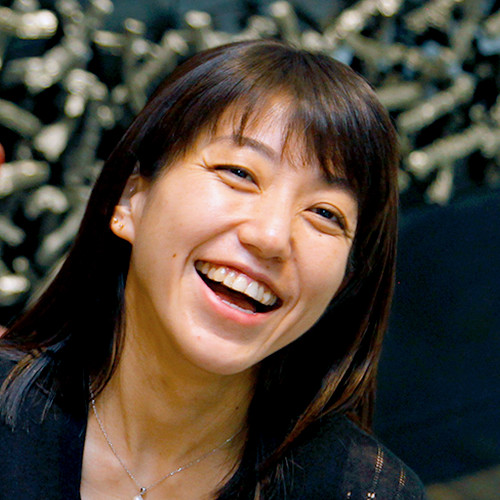
Neuroscience
Sakiko Honjoh
-
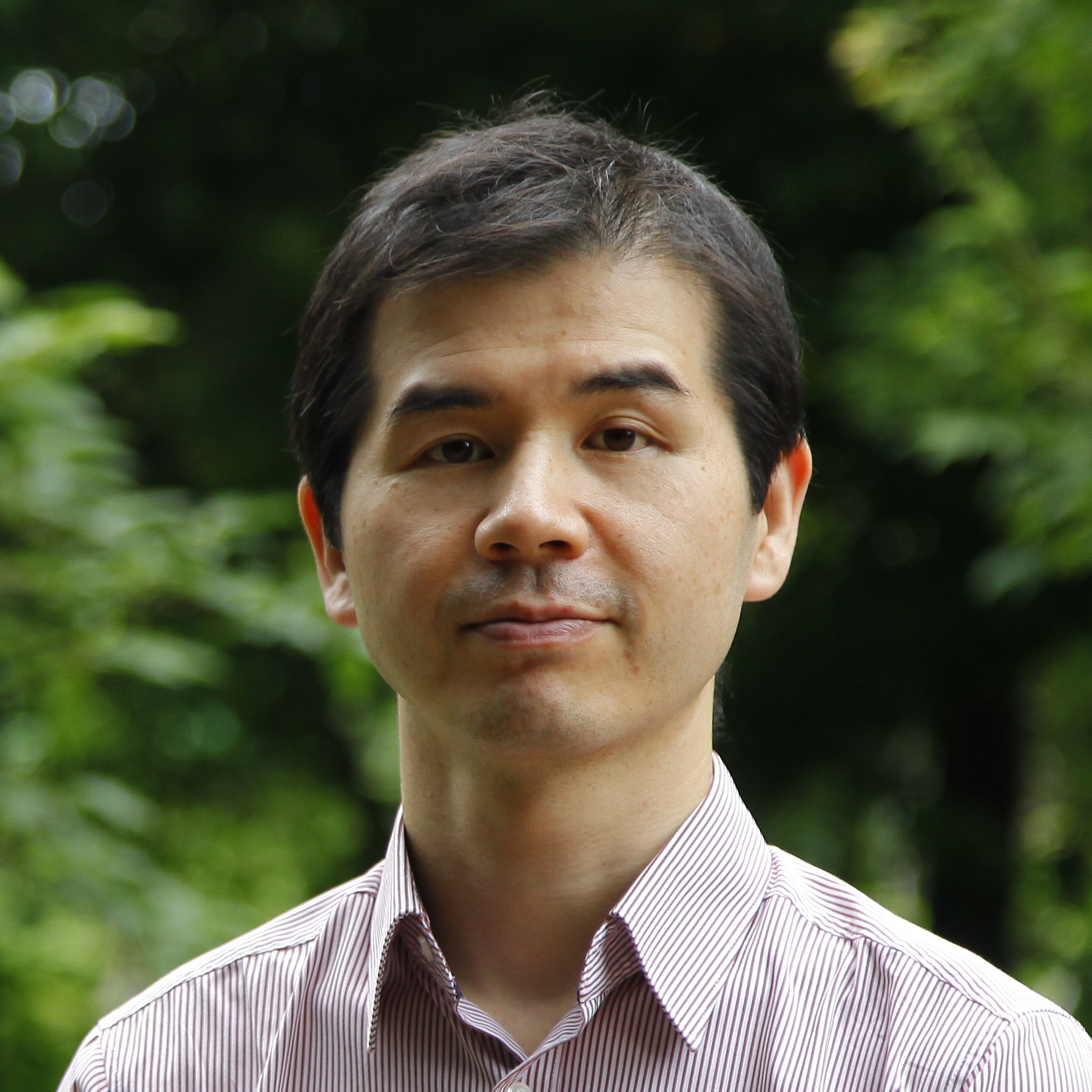
Neuroscience
Hirofumi Toda
-
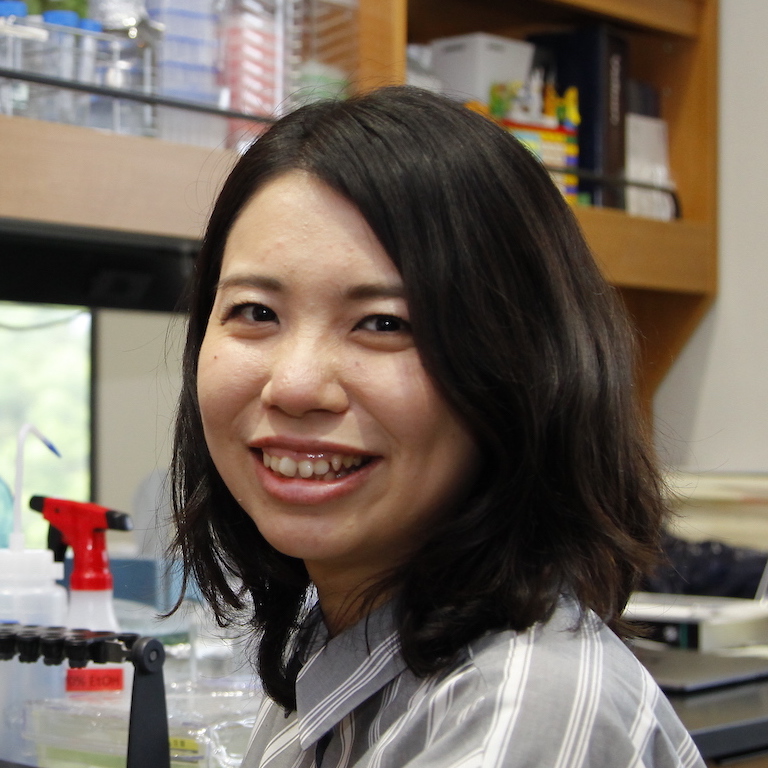
Neuroscience
Arisa Hirano
-
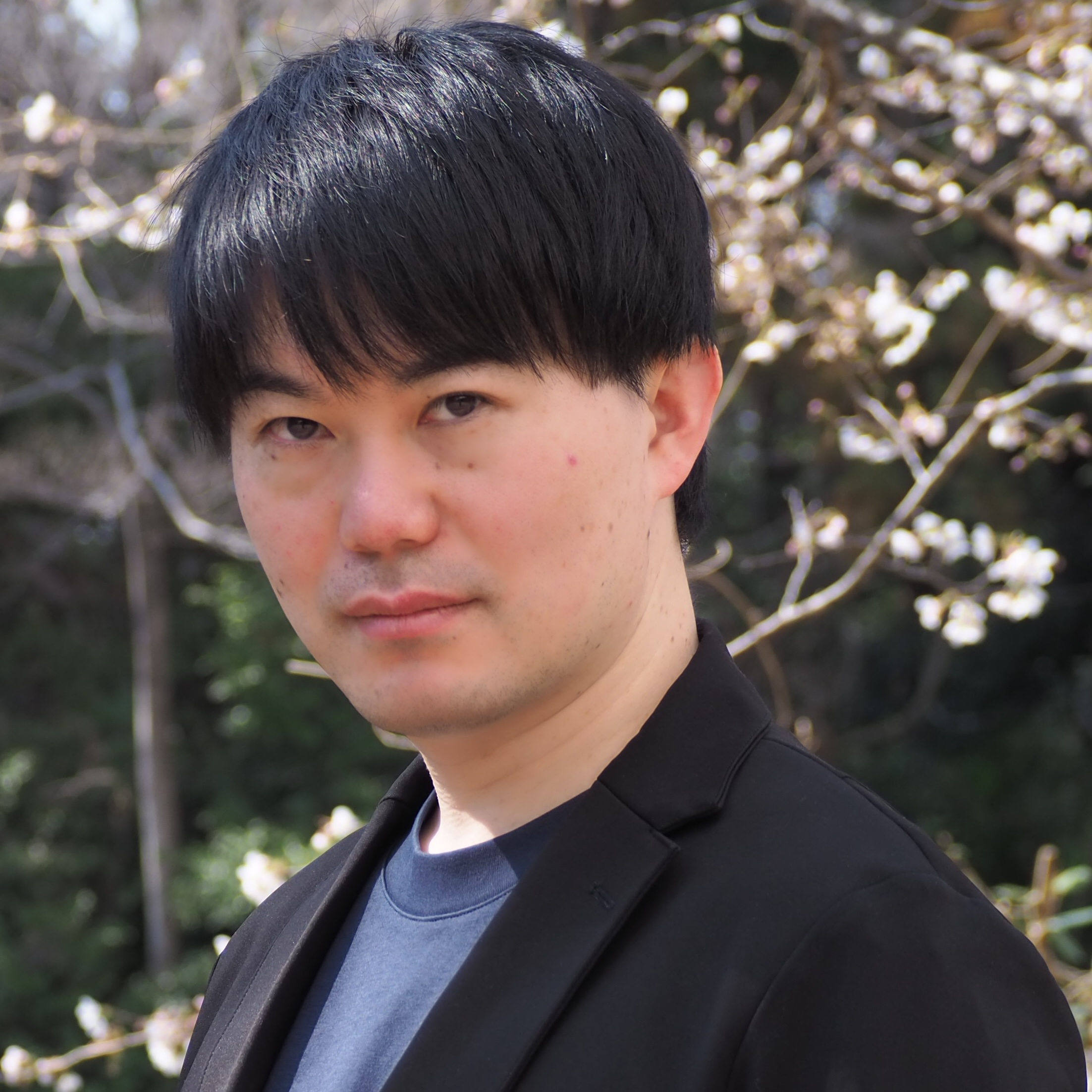
Neuroscience
Shuntaro Izawa
-
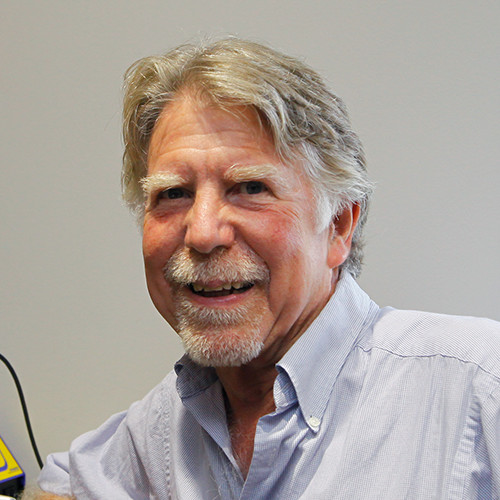
Neuroscience
Robert Greene
-
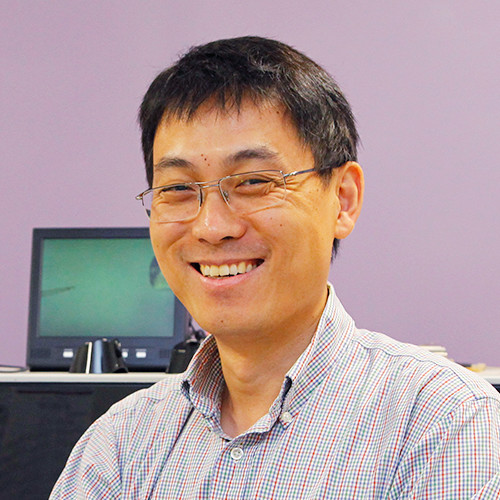
Neuroscience
Qinghua Liu
-
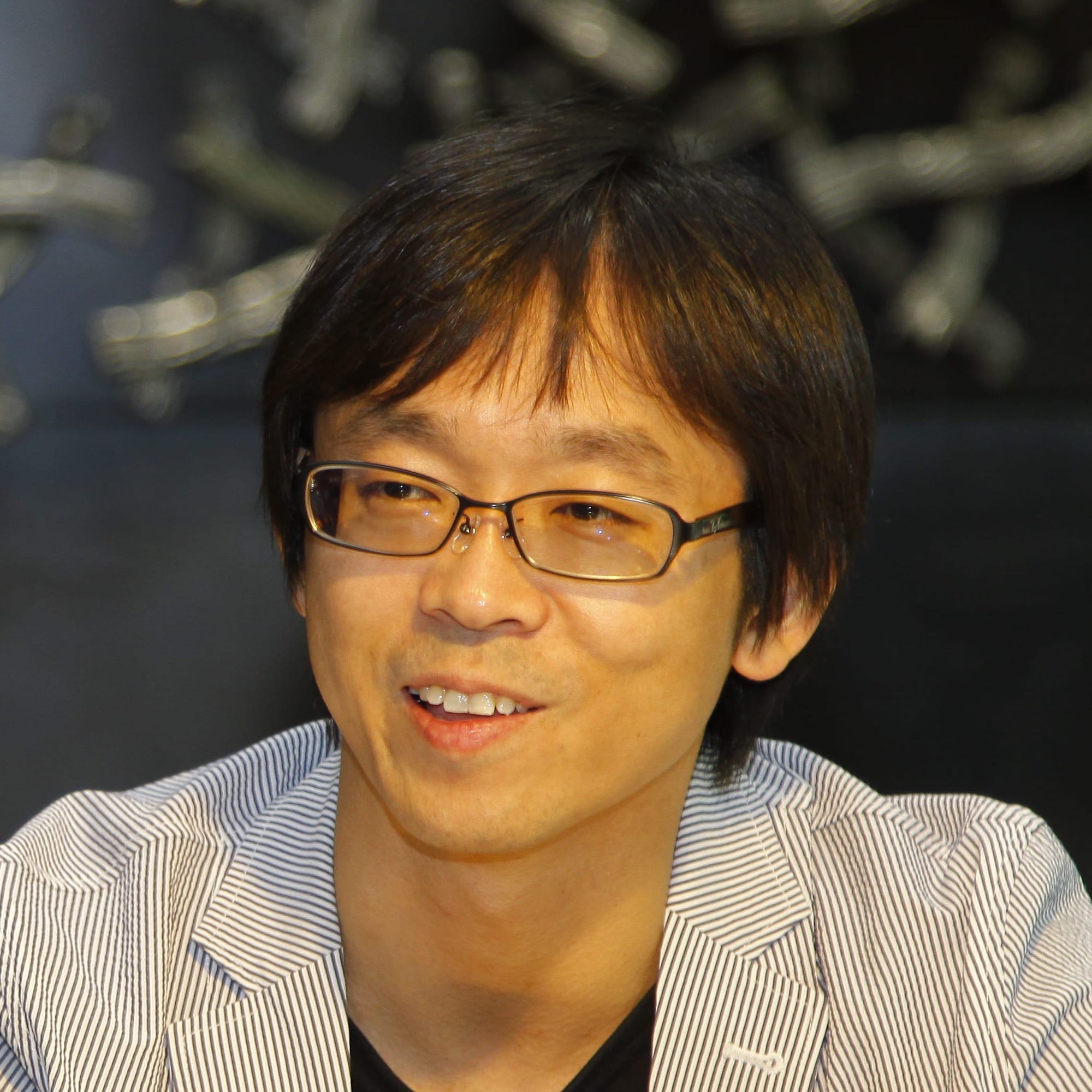
Drug discovery
Noriki Kutsumura
-
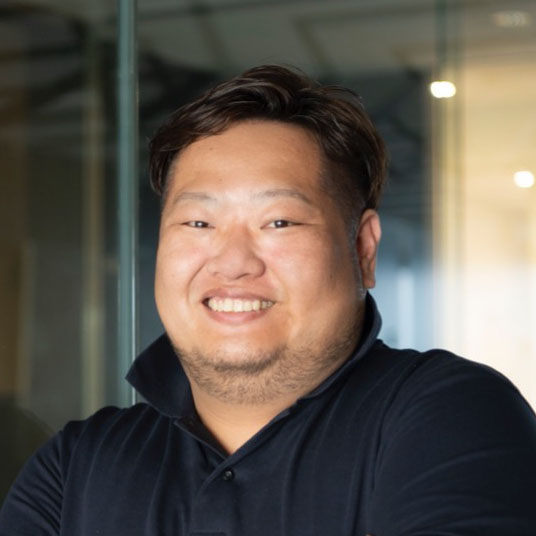
Drug discovery
Tsuyoshi Saitoh
-
Human sleep
Tomohiro Okura
-
Human sleep
Takashi Kanbayashi
-
Human sleep
Takashi Abe
-
behavioral science
Shun Nakajima
-

Data Science
Shoi Shi
-
Data Science
Masao Iwagami
-
Neuroscience
Kazumasa Horie